
10 Essential Gym Bag Items to Enhance Your Performance and Comfort

# What's in My Gym Bag? 10 Essentials You Didn't Know You Needed
Many gym enthusiasts include basic items like water bottles and towels, yet they often miss extra gear that can boost their performance and comfort. The right tools can prevent small irritations from turning into significant distractions during workouts. Essential items range from hygiene products to recovery tools. Packing wisely can greatly improve your training experience.
Knowing what to pack for the gym can set apart serious athletes from casual exercisers who might not optimize their sessions.
## Quick-Dry Microfiber Towel for Space and Hygiene
Standard cotton towels take up valuable space and retain moisture for long periods, potentially leading to bacteria growth. Microfiber towels absorb moisture quickly, dry in minutes, and fold neatly. Whether you train at a gym in Montreal or anywhere else, having your own towel helps maintain better hygiene than using those provided at facilities.
These towels are much lighter than their cotton counterparts, which eases shoulder strain when carrying them. It’s worthwhile to choose antimicrobial-treated options for added protection against odour-causing bacteria.
## Resistance Bands for Warmup and Activation
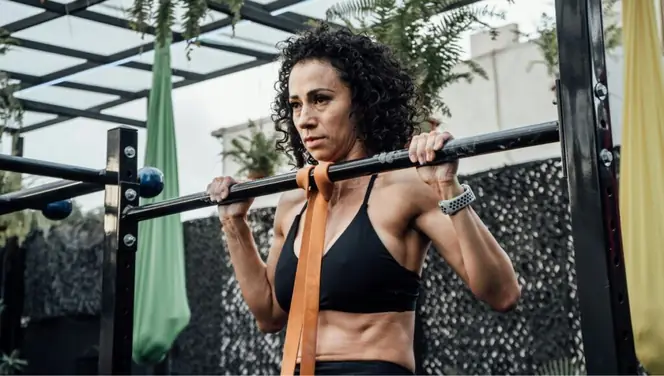
Compact resistance bands are perfect for warming up and activating muscles before heavy lifts. They effectively target stabiliser muscles, which machines might neglect, thus improving movement quality while reducing injury risk. The bands fit easily in side pockets without adding extra weight, making them convenient when equipment is scarce.
Different resistance levels allow for progressive overload, ensuring your activation routines remain consistent, regardless of facility crowding or available equipment.
## Lacrosse Ball for Targeted Myofascial Release
While foam rollers provide general relief, they lack the precision needed for specific trigger points and smaller muscle groups. A single lacrosse ball targets specific tension areas, such as hips, shoulders, and feet, with remarkable accuracy. Using it post-workout enhances recovery by improving blood flow to strained tissues. Its size makes it an incredibly space-efficient recovery tool.
### Proper Ball Placement Techniques
Place the ball on tender spots, applying controlled body weight for 30 to 60 seconds. Focus on muscle bellies and connective tissue, avoiding direct pressure on bones or joints. Deep breathing helps stimulate the parasympathetic nervous system. Move slowly across muscle fibres rather than rushing the process. Regular daily use provides better long-term relief than occasional intense sessions.
## Electrolyte Tablets for Hydration Optimization
While water is great for hydration, it doesn’t replace essential minerals lost through sweat during vigorous exercise. Electrolyte tablets refill sodium, potassium, and magnesium without extra sugars or calories. Adding one tablet to your bottle helps prevent cramps during long workouts or in hot conditions. They take up little space compared to mixed sports drinks while allowing for tailored concentration levels. Maintaining proper electrolyte balance keeps nerve function and muscle contractions efficient during challenging workouts.
## Separate Compartment for Worn Gear
Storing sweaty clothes with clean items can lead to odour and moisture transfer. Having a dedicated waterproof section for damp gear protects both electronics and dry clothing. This organization helps to prevent the unwanted gym bag smell from spreading throughout your locker or car.
Ventilated compartments promote airflow while keeping moisture contained, thus reducing bacterial buildup between washes. By managing moisture properly, you extend the life of both your bag and its contents.