


Bridgerton Explores the Meaning of "Ward" Through Lord Penwood's Character

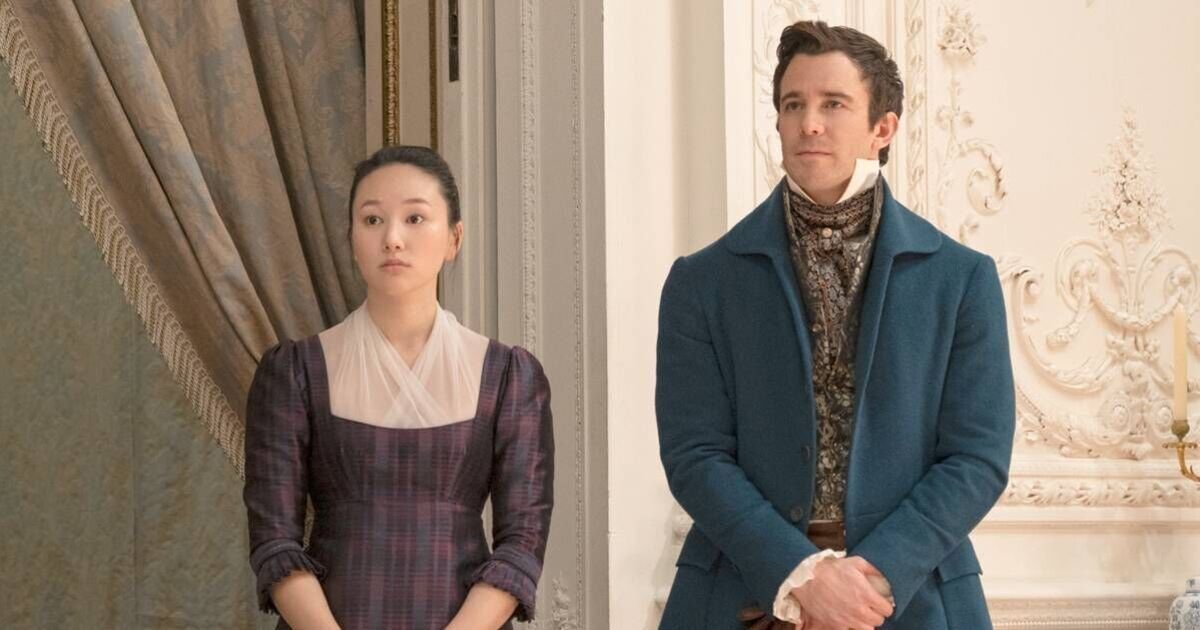
### Understanding the Term "Ward" in Bridgerton Following Lord Penwood Scene
The term “ward” featured in Bridgerton, particularly in a scene involving Lord Penwood, has drawn significant interest among viewers. This term pertains to a young individual, usually a girl, who is under the care of a guardian. In the context of society depicted in Bridgerton, it highlights the distinctions in social class and family dynamics prevalent in the story.
In Bridgerton, Sophie, a character tied to the so-called "lower" class, finds herself interacting with Benedict, who belongs to the upper echelons of society. Their connection showcases the societal divide within the narrative. The term demonstrates the complexities of relationships in the world of Bridgerton, where social standings play a crucial role.
The significance of “ward” encapsulates the themes of protection and societal expectation. A ward is typically someone who cannot make independent decisions due to their age or social position, thus relying on their guardian for choices that impact their lives. This dynamic is pivotal in Bridgerton, allowing for both conflict and romance as characters navigate their disparate worlds.
Furthermore, the portrayal of wards in Bridgerton underscores the broader issues of gender and power during the Regency era. Women, especially those categorized as wards, often lacked autonomy and were subject to the whims of their guardians. The show adeptly illustrates these tensions as Sophie and Benedict challenge societal norms, leading to a narrative rich with dramatic potential.
Bridgerton's narrative intricacies, including the meaning of terms like “ward,” enhance the viewers' understanding of the characters' struggles and ambitions against a backdrop of strict social hierarchies.