


Starmer Faces Criticism for Shifting Iran Position Amid Rising Tensions

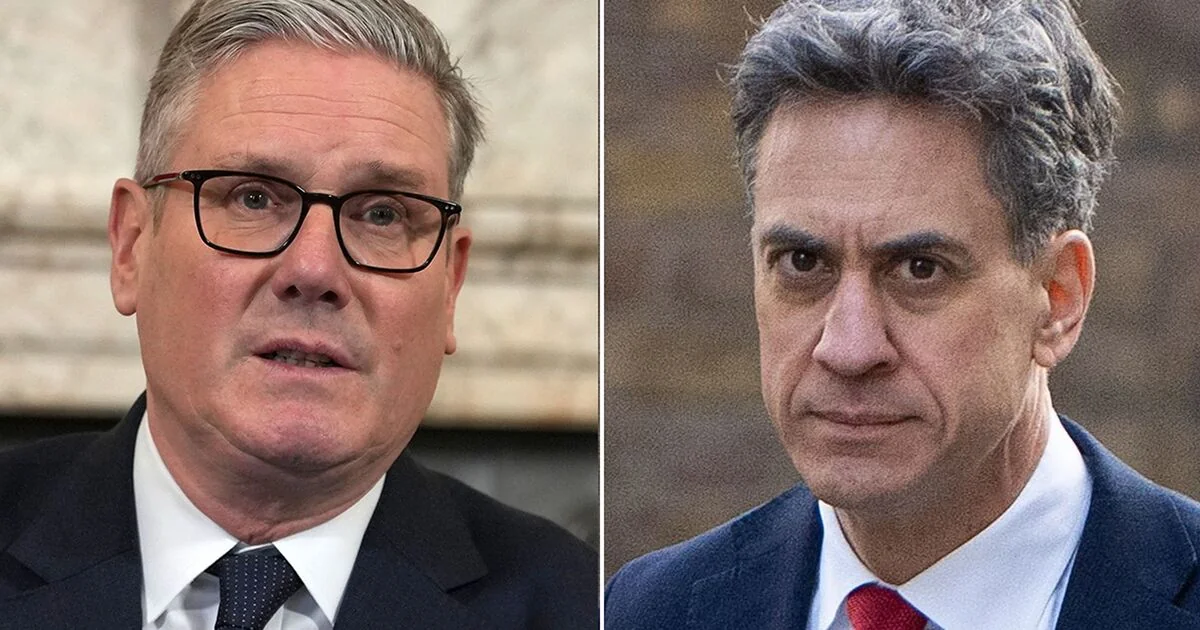
## Starmer's Flip-Flop Amid Conflict: From Miliband's Iran Stance to Trump's Pressure
Keir Starmer shifted his position dramatically amid rising tensions with Iran, initially supporting Ed Miliband's anti-strike stance but later capitulating to pressure linked to Donald Trump. This occurred during a period of escalating conflict, highlighting the Labour leader's struggle to maintain a coherent foreign policy.
Starmer's support for Miliband's arguments, which a source characterized as "petulant, pacifist, legalistic and very political," indicates the internal divisions within the Labour Party regarding foreign intervention. While Miliband's perspective might resonate with the more left-leaning faction of the party, Starmer's eventual retreat reveals a vulnerability to external pressures.
The backdrop to this U-turn was Trump's strong opposition to Iran's actions, which compounded the pressure on Starmer. A source noted, "He fundamentally doesn't like Trump, and he doesn't like this Iran thing," underscoring the tension Starmer faces in appealing to different party factions while navigating international relationships.
As the conflict escalated, leaders like Trump publicly criticized Starmer, further complicating his position. Trump's assertion that Starmer is "not Winston Churchill" starkly contrasts the latter's attempts to position Labour as a serious player on the global stage.
Starmer's inconsistency on the issue reflects broader uncertainties within his leadership, particularly as public sentiment increasingly weighs on political leaders to take decisive stances in times of crisis. The recent events have caused many to question whether Labour under Starmer can effectively engage with complex international challenges.