


Critics Question Rachel Reeves' Rail Expansion Plans Amid Cost Concerns

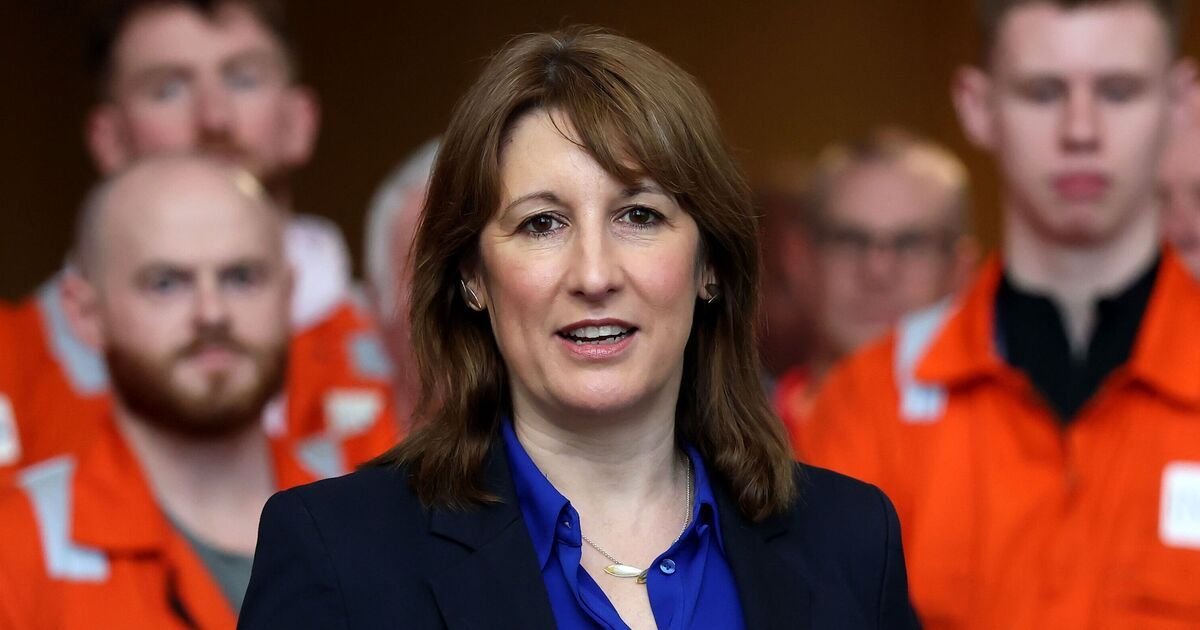
Rachel Reeves, the Shadow Chancellor, is under fire as a prominent economist asserts that her rail expansion plans for the North of England are grounded in wildly unrealistic figures, potentially inflating the cost by £45 billion. The claims highlight serious concerns regarding the validity of the data used in solidifying proposals meant to boost regional infrastructure and economic growth.
The economist contends that there appears to be an enormous discrepancy in the figures presented by Reeves' team. He remarked, "There is nowhere in this suburban area that could house these jobs. It must be a data error," pointing to a glaring lack of feasibility in the proposals. This comes at a time when public trust in government plans is already wavering, and economic realities are more pressing than ever.
Reeves' plan to stimulate economic growth via enhanced rail connections has been presented as a key goal. However, Mr. Swinney, another expert in the field, emphasized the broader implications of such flawed projections, stating, "The UK's productivity performance over the past 15 years has totally flatlined, impacting on money in people's pockets and how prosperous they feel." Such comments raise alarms about whether proposed investments can indeed yield the promised benefits.
In response to the controversy, a representative from The Treasury stated, "These statistics are calculations based on official ONS statistics, which are subject to the ONS's robust quality assurance processes." This defense underscores the reliance on established data, even as critics question its accuracy and applicability to the ambitious plan laid out by Reeves.
The debate continues to unfold, with calls for clearer assessments and realistic forecasts becoming more urgent in the discussions surrounding economic policy and infrastructure investment in the North of England.