


Chancellor Rachel Reeves' 40% Gambling Tax Faces Criticism Over Revenue Shortfall

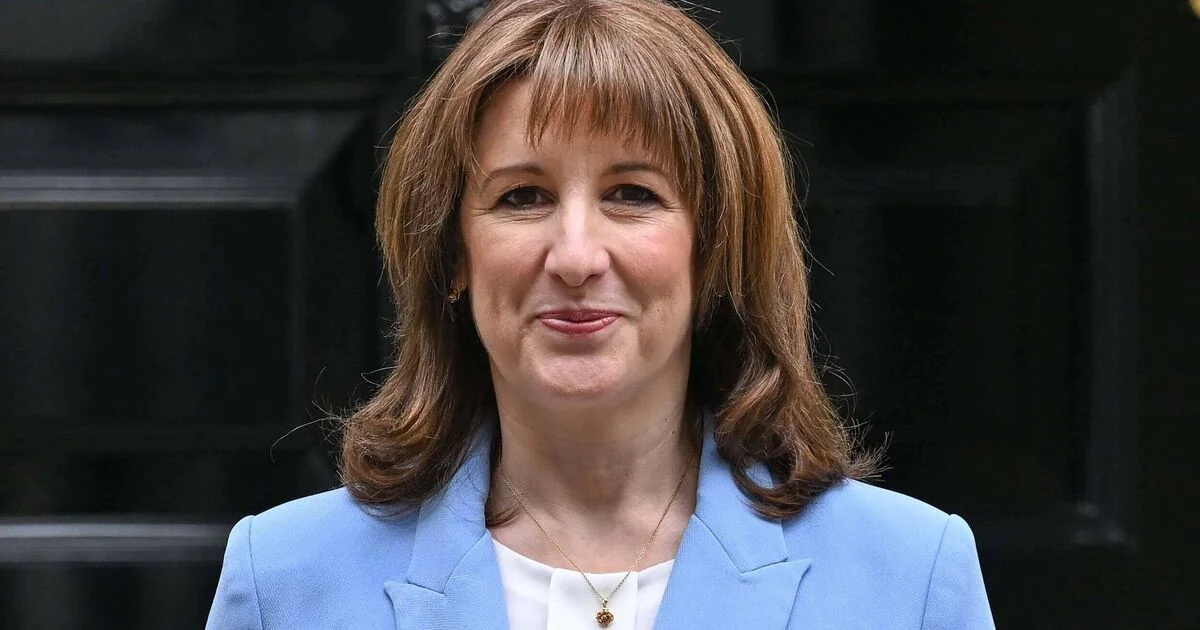
# Rachel Reeves' 40 Percent Tax Will Raise Half What She Hoped - and Cost Jobs
Chancellor of the Exchequer Rachel Reeves is facing significant criticism as revelations indicate that her plans for a 40 percent gambling tax will generate only half the expected revenue. Concerns have been voiced regarding the potential job losses and adverse impacts on the gambling industry.
The proposal aims to impose a gambling tax hike, but it appears the Treasury disregarded warnings from the Department for Digital, Culture, Media and Sport (DCMS) about the negative implications of this move. An anonymous industry source noted that the Treasury "ignored" the advice, adding, "Every job cut, lost sponsorship, every customer who switches to the illegal market – it's on them."
Specific predictions about the funding generated from the initiative suggest it will yield significantly less than anticipated. The Treasury is expected to revise its expectations on the financial benefits stemming from the tax. Despite the setbacks, a Treasury spokesperson defended the policy, stating, "Our fair reforms to gambling duty better reflect the modern industry and its impacts while raising over £1bn per year to deliver this country's priorities – cutting the cost of living, cutting waiting lists, and cutting government borrowing."
Industry insiders are alarmed at the potential fallout from the tax rise, highlighting the risks of job losses and an increase in customers moving to illegal gambling avenues. The latest developments have raised serious questions about the efficacy of the proposed taxation strategy and its broader implications for the economy.