


Peptides and Bioregulators: Exploring Potential Benefits for Organ Regeneration and Hormone Balancing

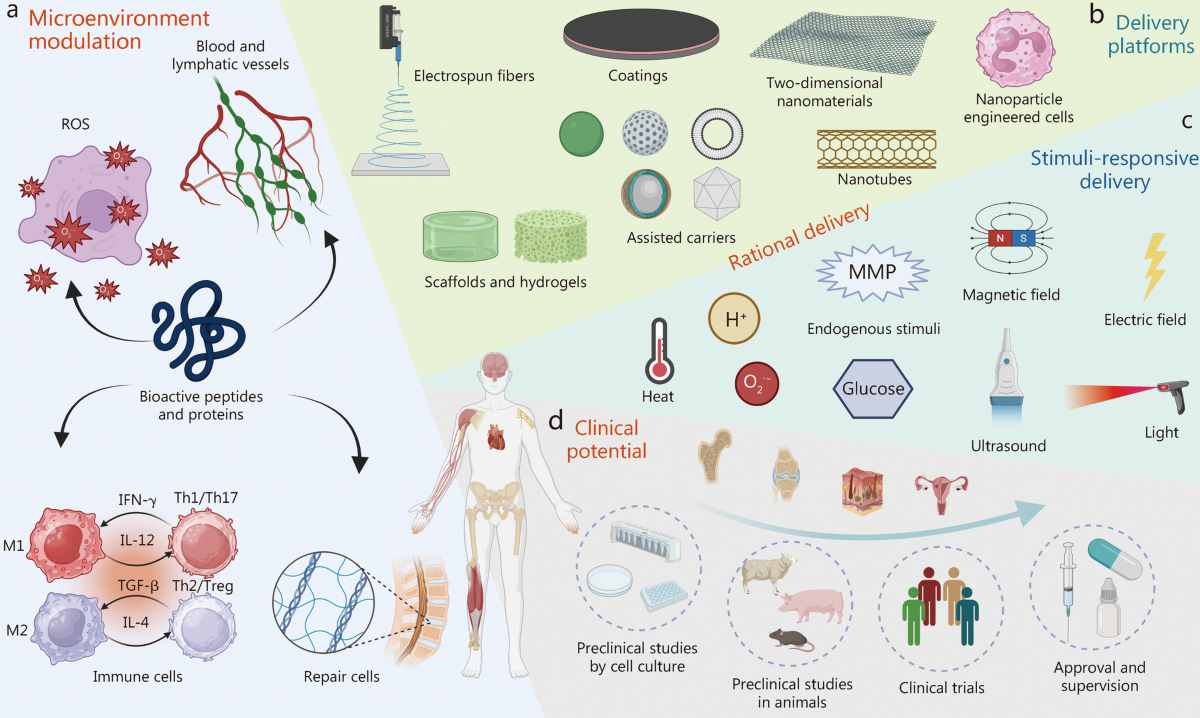
In recent years, peptide bioregulators have gained attention in the fields of regenerative medicine and anti-aging research.
These short chains of amino acids, often derived from specific organs or synthesized, are proposed to act as natural regulators that help restore cellular function, support tissue repair, and maintain physiological balance.
Pioneered by Russian scientist Professor Vladimir Khavinson, peptide bioregulators represent a unique approach to addressing age-related decline by targeting gene expression at the epigenetic level.This article dives into the science behind peptides and bioregulators, with a focus on their potential roles in organ regeneration and hormone balancing, supported by key studies.What Are Peptide Bioregulators?Peptide bioregulators are oligopeptides—typically 2–7 amino acids long—that are designed to interact with specific DNA sequences in cells.
Unlike larger therapeutic peptides (e.g., those used for growth hormone release), bioregulators are thought to penetrate cell and nuclear membranes easily, modulating gene activity without altering the genetic code itself.Developed through decades of research at the St.
Petersburg Institute of Bioregulation and Gerontology, these peptides are often organ-specific: extracts or synthetic versions from the thymus, pineal gland, prostate, or other tissues target corresponding organs in the body.
The goal is to normalize protein synthesis and cellular function, countering the effects of aging.Mechanism of ActionBioregulators work primarily through epigenetic regulation.
They bind to promoter regions of genes, enhancing or suppressing expression to restore youthful cellular activity.
For instance, they may increase the production of proteins essential for cell division, repair, and antioxidant defense.In aging, organs experience reduced function due to accumulated damage and declined gene activity.
Bioregulators aim to "reset" this by stimulating tissue-specific genes, leading to improved proliferation of healthy cells and reduced inflammation.Potential Benefits for Organ RegenerationOne of the most intriguing claims for peptide bioregulators is their ability to support organ regeneration and slow age-related degeneration.
Preclinical and clinical studies suggest they can restore function in key organs:
Thymus and Immune Organs: Thymus-derived peptides like Thymalin have been studied for restoring immune function.
In elderly patients, they may promote thymic tissue regeneration, enhancing T-cell production and overall immunity.
Pineal Gland: Pineal peptides (e.g., Epitalon or Epithalamin) are linked to melatonin regulation and neuroprotection, potentially regenerating pineal tissue and protecting against oxidative stress.
General Tissue Repair: Broader research on therapeutic peptides shows promise in soft tissue regeneration, including angiogenesis (new blood vessel formation) and collagen synthesis, which could aid in healing organs like the liver, lungs, or heart.
Long-term animal studies have reported increased lifespan by 20–40% with peptide treatment, alongside slowed age-related biomarker changes.
Similar effects include reduced mortality and improved organ morphology in aged models.In human trials, peptides from the pituitary and pineal glands have shown geroprotective effects, inhibiting rapid aging in elderly subjects.Potential Benefits for Hormone BalancingHormonal imbalances accelerate aging and contribute to conditions like menopause, andropause, and metabolic disorders.
Peptide bioregulators may indirectly support endocrine health by targeting glands responsible for hormone production:
Pineal Peptides: By regulating the pineal gland, these can normalize melatonin secretion, which influences circadian rhythms, sleep, and downstream hormones like cortisol and sex hormones.
Thymus and Immune-Linked Peptides: Improved thymic function supports immune modulation, which intersects with hormonal pathways (e.g., reducing chronic inflammation that disrupts hormone balance).
Broader Endocrine Effects: Some studies indicate peptides help maintain homeostasis in the endocrine system, potentially stabilizing growth hormone, thyroid function, and reproductive hormones through gene regulation.
Research on pineal and thymus peptides has demonstrated prolonged human life expectancy in treated groups, partly attributed to better hormonal regulation.
Clinical applications in elderly patients show normalized biomarkers linked to endocrine function.Key Studies and EvidenceMuch of the foundational research comes from Khavinson's team:
A review of 35 years of work summarized peptide efficiency in preventing age-related diseases and regulating aging mechanisms.
Long-term clinical use of peptides like Thymalin, Thymogen, Vilon, and Epithalamin showed efficacy in disease prevention and functional longevity.
Animal and human data indicate peptides act as geroprotectors, with prospects for broad application in aging control.
While promising, many studies originate from a specific research group, and larger, independent Western trials are needed for broader validation.
Emerging work on therapeutic peptides in regenerative medicine supports similar benefits for tissue repair.Popular Examples of Peptide Bioregulators
Epitalon: Pineal-derived; linked to telomere elongation and longevity.
Thymalin/Thymogen: Thymus; immune restoration.
Vilon: General bioregulator; anti-aging effects.
Cortagen: Brain tissue support.
These are often available as supplements, though medical use varies by region.Considerations and Future ProspectsPeptide bioregulators show exciting potential for non-invasive regeneration and balance, but they are not mainstream therapies in all countries.
Consult healthcare professionals before use, as individual responses vary.Ongoing research into peptide-based nanomaterials and targeted therapies continues to expand possibilities for organ repair and hormonal health.In summary, peptide bioregulators offer a fascinating glimpse into natural restoration mechanisms.
With evidence pointing to benefits in regeneration and balance, they may play a growing role in healthy aging.
As studies evolve, these tiny molecules could unlock significant advancements in human longevity and vitality.