

Starmer Faces Backlash Over Proposed Changes to Brexit Agreements

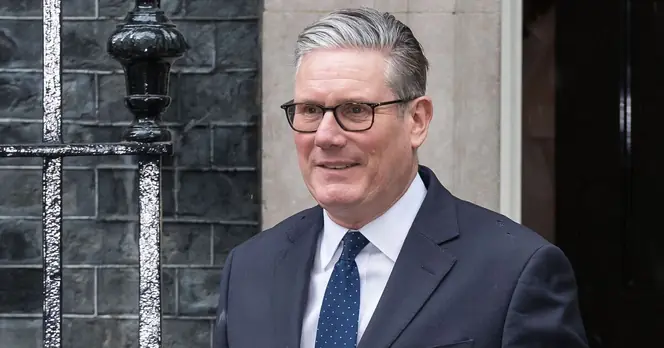
# Keir Starmer Accused of 'Rewriting Brexit' with Shocking New Law Revealed
## Allegations arise against the Labour leader regarding potential changes to Brexit agreements.
Keir Starmer, the Leader of the Labour Party, is facing serious accusations of attempting to alter Brexit agreements with the introduction of new legislation. This development has sparked outrage among Conservative figures, who claim that it undermines the original intentions of the Brexit process. The controversy emerged after Starmer presented proposals hinting at future treaties with the EU, which many see as a clear deviation from the established Brexit framework.
Reports indicate that Starmer's plan could result in significant shifts in the UK's relationship with Europe. Critics highlight that this move not only contradicts the spirit of Brexit but could also provoke a backlash from voters who supported leaving the EU. The Labour leader's motivations have come under scrutiny as many feel he is trying to appease factions within his party rather than addressing the needs of the British public.
Kemi Badenoch, the Conservative leader, did not hold back in expressing her views. “It is not just Starmer – all the pretenders jostling for his job do not have the answers either, because they all believe the same things: more welfare, more state control, more borrowing, more regulation. They are busy arguing over who should drive the car, but the truth is they are all heading in the wrong direction. They have no vision for the future,” she stated, emphasizing her belief that Starmer's policies are out of touch with the electorate.
Further criticism came from Robert Jenrick, the Reform Treasury spokesperson, who insisted, “In a desperate attempt to survive, Keir Starmer is trying to rewrite Brexit. He's clearly run out of ideas, and he's lost all authority – he needs to resign immediately.”
As backlash grows, this situation continues to unfold, raising questions about the Labour Party's commitment to the outcomes of the Brexit referendum. The implications of these legislative changes could resonate across the political landscape, affecting public perception and future governance.