

Iran Establishes New Boundaries in Strait of Hormuz Amid Rising Tensions

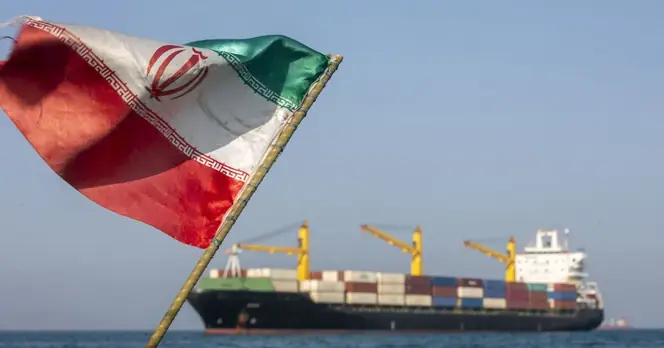
Iran has officially established new boundaries in the Strait of Hormuz, a strategic waterway, marking a significant setback for the Trump administration. This move comes amidst heightened tensions in the region, with Iran asserting its authority over key shipping routes that are vital for global oil trade.
The announcement was made earlier this week as Iran's military exercised its right to redefine territorial waters. This reconfiguration illustrates Tehran's confidence in challenging international norms, particularly as the U.S. continues to impose sanctions on the country. The Strait of Hormuz, which connects the Persian Gulf to the Gulf of Oman, sees around 20% of the world’s oil supply transit through its waters, making any alterations to its boundaries particularly contentious.
High-ranking officials in Iran proudly declared that the new boundaries reflect its sovereignty. The Iranian Revolutionary Guard Corps (IRGC) has stated its role in enforcing these new territorial limits, which they argue are essential for national security. The timing of this decision coincides with ongoing dialogues regarding Iran’s nuclear program, further complicating the geopolitical landscape.
Former U.S. officials have described this development as a clear indication of Iran's growing assertiveness in the face of international pressure. Critics point to the Trump administration's failure to curb Iran’s ambitions, illustrating the challenges inherent in foreign policy toward the Islamic Republic.
Iranian leaders remain resolute in their claims, with the foreign ministry emphasizing that these boundaries are non-negotiable. This situation necessitates vigilance among neighboring nations and global powers who rely on this vital maritime route for energy supplies.