


Kemi Badenoch Calls for Urgent Action Against Grooming Gangs in the UK

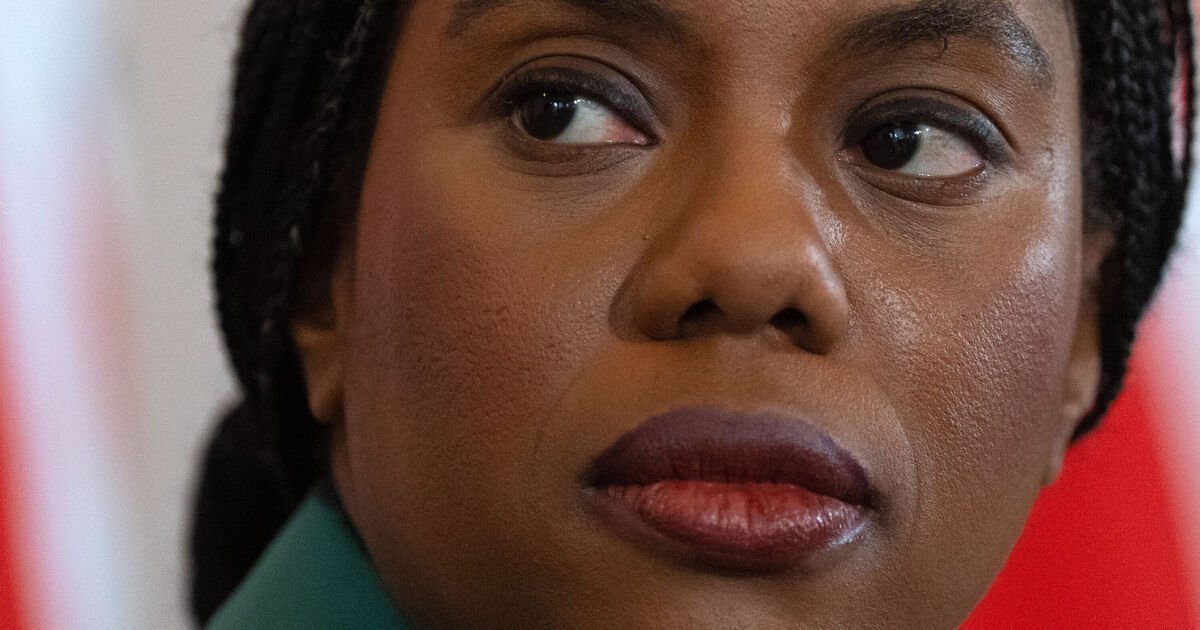
In a recent statement, Kemi Badenoch, the Minister for Equalities, made a tremendous impact as she openly declared the need to confront grooming gangs entrenched in the UK. This moment occurred during a political meeting where crucial discussions about public safety and the protection of vulnerable individuals were underscored. Badenoch’s remarks were not only timely but resonated with the urgent necessity for a decisive governmental response.
During her address, Badenoch expressed a clear commitment to addressing these heinous crimes, emphasizing that the government must “leave no stone unturned” in their quest for justice and accountability. This determination reflects a growing recognition of the issue, particularly concerning the systemic failures that have allowed grooming gangs to exploit their victims for far too long.
The significance of her message was reinforced by the comments of Chris Philp, Shadow Home Secretary, who indicated that the government would be more than receptive to adopting proposals aimed at eradicating grooming gangs. This assertion marks a significant moment of potential bipartisan cooperation, as the implications of inadequately addressing these crimes have left communities in distress and fear.
Badenoch's call to action has been met with positive affirmation across various right-wing circles, with many drawing attention to the inherent failures of previous administrations in tackling these crimes adequately. Trevor Phillips, a well-regarded TV presenter and former chair of the Equality and Human Rights Commission, noted that Labour's handling of the crisis has been “so obviously political.” This sentiment underscores an essential narrative: the need for genuine, pragmatic solutions rather than politically motivated rhetoric.
The atmosphere surrounding Badenoch's address highlights an increasing awareness among the public and lawmakers alike about the critical need to combat grooming gangs effectively. The converging sentiments expressed by influential figures indicate a momentum that could lead to real changes in policy and law enforcement tactics aimed at protecting society’s most vulnerable.