


Uber Exploits Tax Loophole, Undermining Rachel Reeves' Proposed Revenue Measures

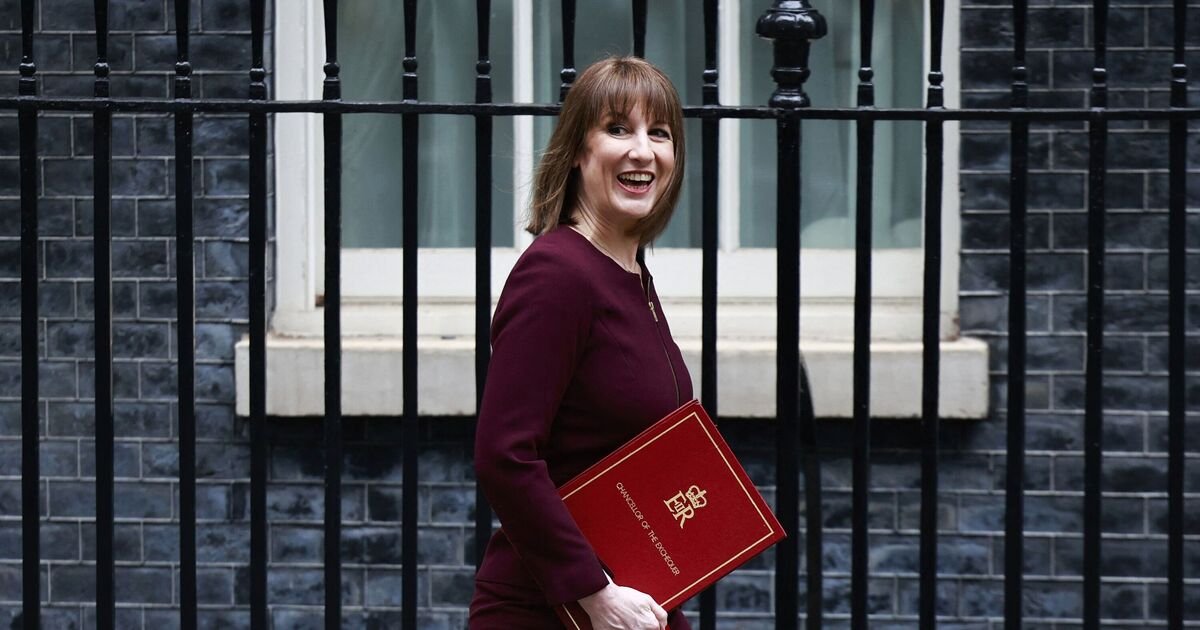
# Humiliation for Rachel Reeves as Uber Exploits Tax Loophole
The recent tax plans put forth by Shadow Chancellor Rachel Reeves have faced significant setbacks as Uber successfully navigates a loophole to sidestep her proposed tax measures. Reeves expected to generate approximately £700 million in tax revenue from her initiatives aimed at imposing taxes on firms like Uber. However, the company's maneuvering has thwarted these financial forecasts.
Uber's strategy revolves around utilizing specific tax provisions meant for online minicab operators, which allows the company to maintain its competitive edge while avoiding additional taxation. This development has sparked criticism of Reeves’ proposals, as the intended financial benefits from the tax hike now appear uncertain.
The lack of clarity surrounding these tax policies has raised concerns about fairness within the transport sector. "Ending this use of a niche tax scheme by online minicab firms will both benefit everyday cabbies with a fairer tax system and raise money to help deliver the country's priorities – cutting the cost of living, cutting waiting lists and cutting debt and borrowing," stated a Treasury spokesman.
Despite the setback, the Labour Party remains committed to their agenda, expressing a desire for a tax system that ensures equitable contributions from all players in the industry. The implications of Uber's actions might compel a reassessment of how the government designs tax initiatives for modern transportation services.