


Putin's Actions in Ukraine Reveal EU's Geopolitical Weakness, Critics Warn

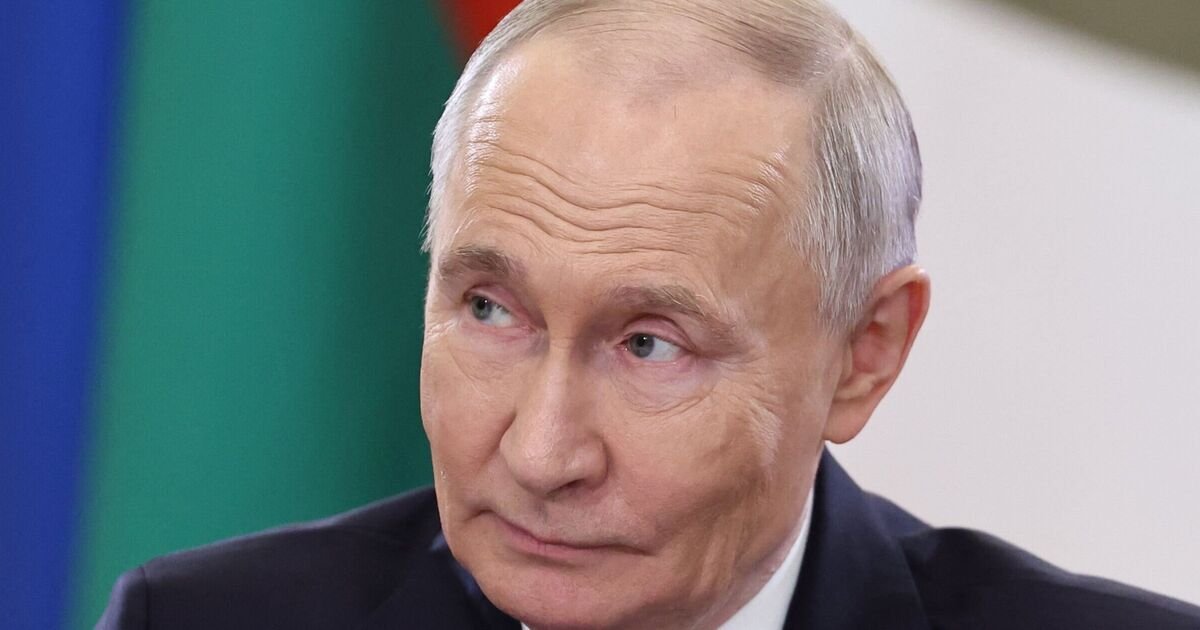
Vladimir Putin's actions in Ukraine have exposed significant weaknesses within the European Union, casting doubt on its ability to function as a strong geopolitical player. The recent conflicts have highlighted a troubling trend: the EU's reluctance to confront the Russian leader effectively, raising questions about its relevance in global matters.
Against the backdrop of the ongoing war, EU leaders have struggled to maintain a united front against Russian aggression. This lack of cohesion has resulted in inadequate responses to Putin’s military ambitions, demonstrating an urgent need for a more robust and determined strategy. While tension escalates in Eastern Europe, the consequences of this ineffectiveness are becoming alarmingly apparent.
The United Kingdom, having chosen to leave the EU through Brexit, stands in stark contrast to its former partners. The decision to exit has granted the UK greater autonomy to act decisively on the global stage, especially in supporting Ukraine against Russian hostilities. This newfound independence allows Britain to forge bilateral relationships and strengthen alliances without being hindered by the EU's bureaucratic delays.
The situation has stirred debates among politicians and commentators regarding the efficacy of collective European diplomacy. Critics argue that the EU's timid approach reflects an inherent weakness in its structure and decision-making processes. They assert that this failure to respond decisively could embolden Russia in its future territorial ambitions.
In this context, Brexit appears to be validated, as it has afforded the UK the flexibility to respond swiftly and effectively to international challenges. The situation in Ukraine demonstrates how essential it is for nations to assert their sovereignty and act according to their interests, free from the constraints of supranational agreements that often lead to indecision and inaction.
The ramifications of the EU's current stance on Russia will likely reverberate for years to come, raising significant questions about its role as a global power. Meanwhile, the UK's decision to break away from the EU fortifies its position as a determined player in the fight for freedom and democracy in Europe.