


Understanding the Possible Causes of a Metallic Taste in Your Mouth and How to Address It

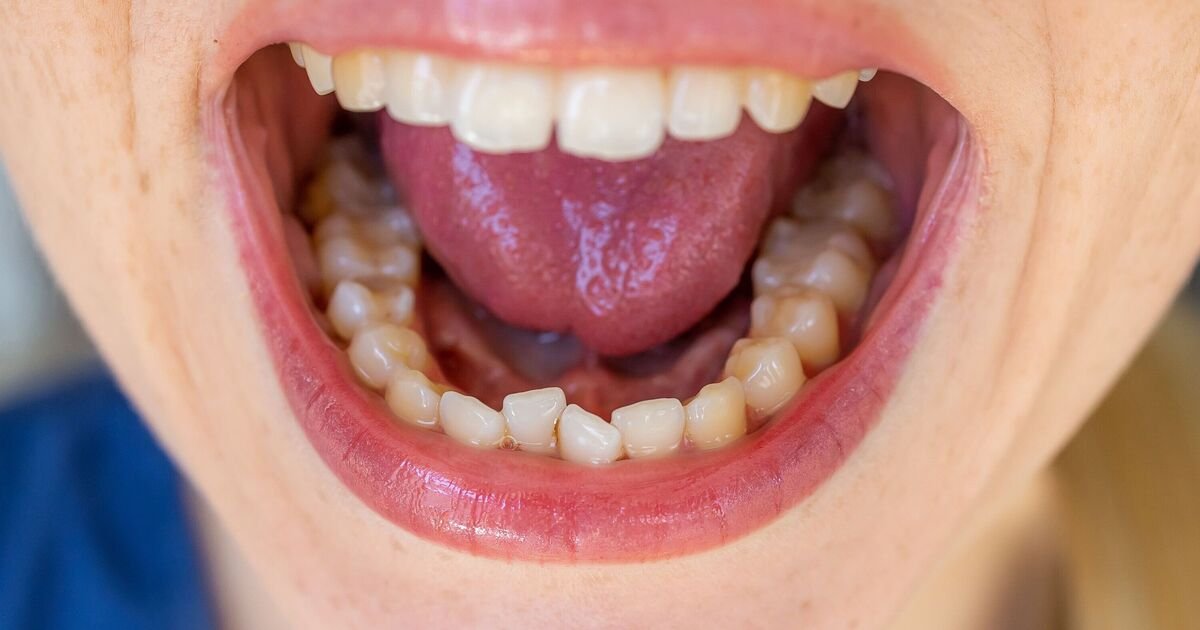
# 7 Reasons for a Metallic Taste in Your Mouth and How to Eliminate It
Many people experience a metallic taste in their mouth, and experts have shared various reasons for this condition. The NHS explains there are "lots of possible causes" for this sensation. A metallic taste can result from several factors, but it is often not serious.
### Common Causes
1. **Medication Side Effects**
Some medications can change your taste. This includes certain antibiotics and blood pressure drugs.
2. **Dental Issues**
Gum disease or tooth problems might lead to a metallic taste. This could be due to infection or dental work.
3. **Nutritional Deficiencies**
Lack of zinc or vitamin B12 may affect taste. A poor diet can contribute to these deficiencies.
4. **Illness**
Conditions like colds or sinus infections can alter taste perception. This occurs because of nasal congestion that affects senses.
5. **Pregnancy**
Hormonal changes during pregnancy may cause taste alterations. Many women report different tastes, including metallic ones.
6. **Gastroesophageal Reflux Disease (GERD)**
GERD can lead to stomach acid reaching the mouth, causing a metallic taste. This often occurs alongside heartburn.
7. **Exposure to Chemicals**
Ingestion of certain chemicals or heavy metals can lead to a metallic taste. This includes exposure to lead or mercury.
### What to Do
“A metallic taste is not usually serious. What you can do to get rid of it will depend on the cause," advises health experts. If this taste persists or you have other symptoms, it is best to contact a healthcare professional. You may want to see a GP or call NHS 111 for further advice.
This article is for general information only and is not a substitute for professional medical advice. Always speak to a GP or qualified health professional about your own health.