

Keir Starmer Criticised for Avoiding Tough Discussions in Struggling Communities

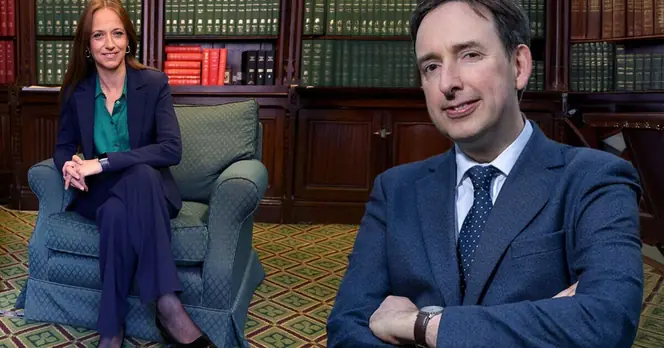
# Keir Starmer Accused of Avoiding Benefits Street to Protect Himself
**Critics claim Labour leader is evading tough conversations with voters in struggling areas.**
Keir Starmer, the leader of the Labour Party, faces criticism for allegedly avoiding visits to difficult areas like Benefits Street. This comes as political activists and commentators argue he is prioritising his own safety over addressing the real concerns of constituents who are struggling with the effects of poverty. The fallout from recent comments has intensified scrutiny of Starmer’s approach, particularly in post-industrial regions where voters grapple with economic challenges.
Despite being a key figure in British politics, Starmer has reportedly chosen to sidestep communities facing glaring social issues. Critics emphasize that his reluctance to connect with these areas reflects a broader trend of politicians shunning uncomfortable interactions. The implication is that he is more focused on preserving his leadership position and less on engaging with citizens who are directly affected by current policies.
Some observers believe that steering clear of tough discussions about poverty and social welfare could damage his credibility. By not facing these communities, Starmer risks alienating potential supporters who seek representation and solutions for their hardships.
Political analysts suggest that this strategy not only undermines his party’s image but may also affect Labour's prospects in upcoming elections. If Starmer wishes to rebuild trust with voters, particularly those in economically disadvantaged areas, he must consider a more proactive approach to connect with them.
Helen Whateley has voiced concern over this development, suggesting that leadership should inherently involve confronting difficult truths. “It’s vital for leaders to face the people and the issues head-on,” said Whateley.
As the political landscape evolves, the pressure mounts on Starmer to reassess his commitment to the electorate’s needs and priorities.